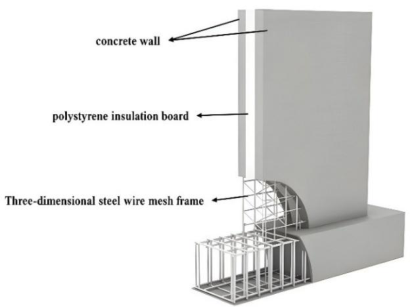
Source–site–structure simulation
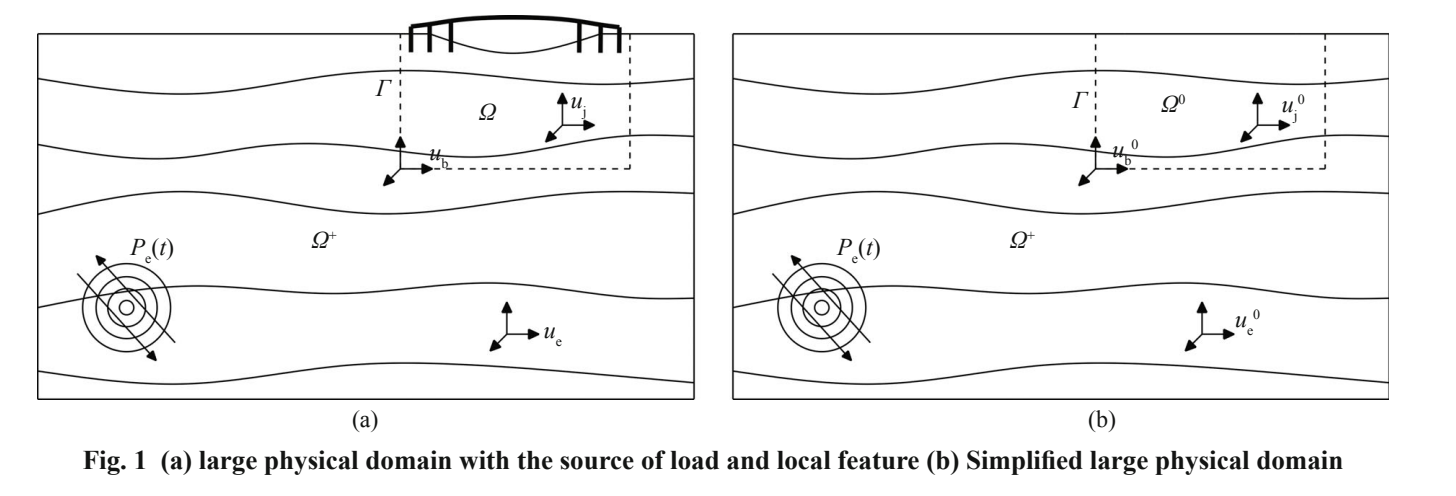
Studying how source rupture, local sites and engineering structures interact to develop seismic inputs for near-fault and complex-terrain conditions.
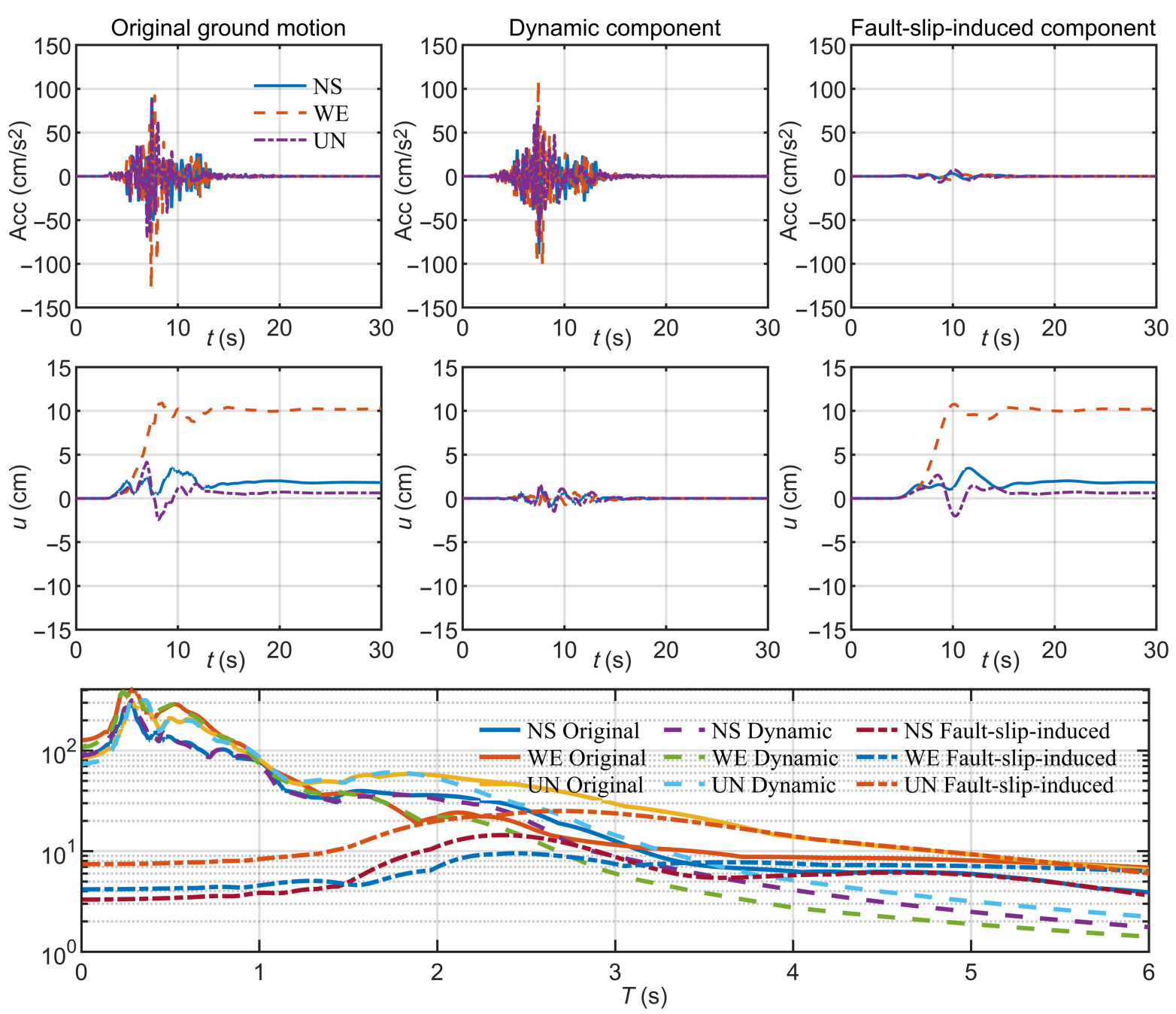
Research
Connecting physical simulation, experimental insight and engineering needs to understand infrastructure response and resilience under complex earthquakes.
Studying how source rupture, local sites and engineering structures interact to develop seismic inputs for near-fault and complex-terrain conditions.
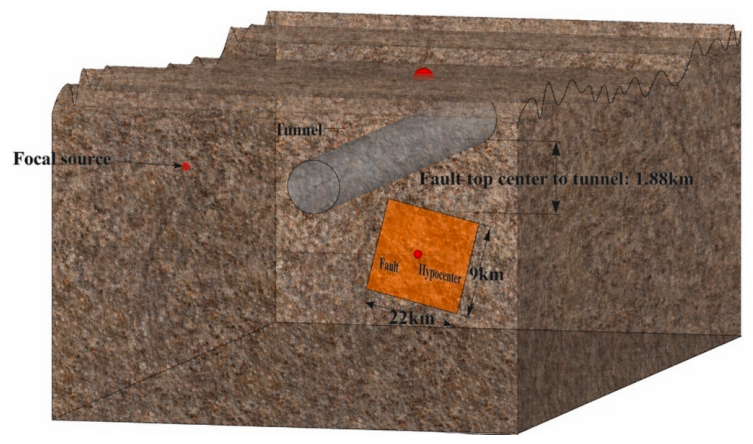
Investigating strong-motion response, intensity measures and seismic mitigation for tunnels that cross active faults.
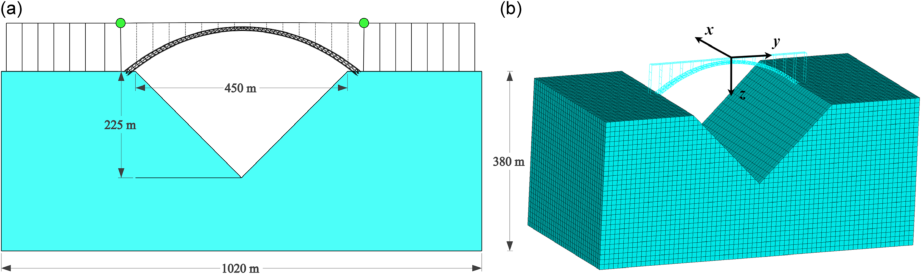
Examining how multi-support excitation, wave types and local topography affect long-span and valley-spanning bridges.
Addressing coupled soil and structural response through boundary methods and wave propagation simulations in localized regions.
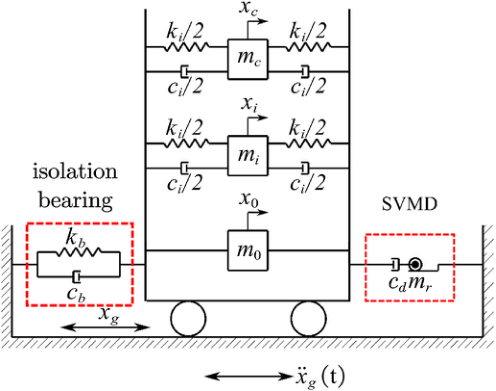
Assessing seismic fragility, life-cycle costs and recovery capacity for isolated structures, storage tanks and other infrastructure.
Exploring the relationship between seismic performance and carbon emissions, and the balance between safety and sustainability in materials and structural systems.